Slip & Fall Accidents:
When Property Owners Are Liable
You slipped. You were hurt. The property owner says it's not their problem. Georgia law says otherwise — and we know exactly how to prove it.
Slip and fall accidents can result in devastating injuries — from broken bones and traumatic brain injuries to spinal cord damage that changes your life forever. While property owners want to minimize their liability, Georgia law provides clear protections for people injured due to negligent maintenance or unsafe conditions on someone else's property.
Don't let the property owner's insurance company convince you that you have no case. Understanding the legal standards that determine liability is the first step to protecting your rights.
Understanding Georgia's Premises Liability Standards
Georgia premises liability law establishes specific requirements that determine when property owners must compensate visitors for slip and fall injuries. Three critical elements form the foundation of every case.
Duty of Care
The property owner's legal obligation to maintain safe conditions for visitors on their premises
Knowledge of Hazard
The owner knew — or should have known — about the dangerous condition that caused your fall
Your Legal Status
Whether you were an invitee, licensee, or trespasser determines the level of protection you receive
Visitor Classification Under Georgia Code § 51-3-1
Customers & Business Visitors
Includes customers at businesses, patients at medical facilities, and anyone invited onto property for the owner's benefit. Property owners must actively inspect for dangers and warn invitees about known hazards. Most slip and fall cases involve invitees — which is why businesses face the highest liability standards.
Social Guests & Permitted Visitors
Social guests or others on the property with permission but not for the owner's benefit. Property owners must warn licensees about known dangers but aren't required to inspect for hidden hazards.
Unauthorized Visitors
Property owners generally don't owe trespassers any duty of care, though they cannot intentionally harm unauthorized visitors. Special rules apply for child trespassers under the attractive nuisance doctrine.
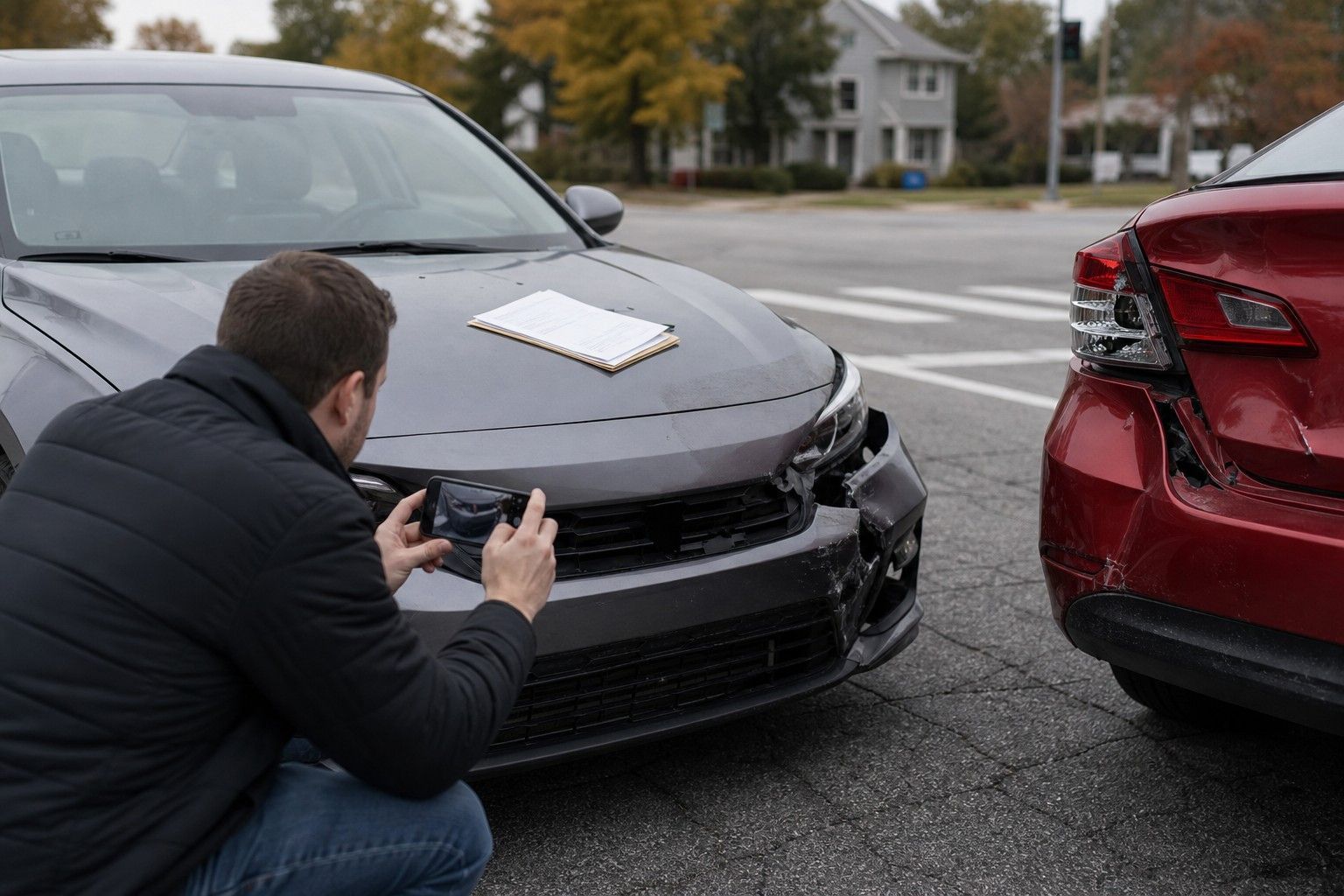
Take photos of the accident scene, your injuries, and any hazardous conditions before they're cleaned up or repaired. This evidence becomes crucial when property owners claim the dangerous condition didn't exist or wasn't their responsibility.
Proving Negligence in Your Slip and Fall Case
Building a strong premises liability case requires concrete evidence that the property owner failed to meet their legal duties. Insurance adjusters and defense attorneys will scrutinize every detail — making thorough documentation essential.
Maintenance Records & Safety Protocols
Successful cases often center on proving the property owner failed to maintain safe conditions. Maintenance records showing irregular cleaning schedules, work orders revealing known problems that weren't addressed, and employee testimony about inadequate safety procedures all establish negligence. Missing or inadequate maintenance protocols demonstrate the owner's failure to prevent foreseeable accidents.
Missing or Inadequate Warning Signs
When property owners cannot immediately fix dangerous conditions, they have a legal obligation to warn visitors about the hazard. Effective warnings must be visible, understandable, and positioned where visitors will see them before encountering the danger. A small "wet floor" sign placed behind the hazard, or written in a language visitors can't read, fails to meet legal requirements.
Surveillance Footage
Modern businesses typically have security cameras that capture slip and fall accidents as they happen. This footage provides invaluable evidence about the accident circumstances, the hazard's duration, and the property owner's response. Footage might show how long a dangerous condition existed, or whether employees walked past the hazard without addressing it.
⚠ Many businesses delete footage in as little as 30 days — act immediatelyIncident Reports
Incident reports created by property owners provide crucial evidence. While businesses sometimes try to minimize their liability in these reports, they often contain admissions about unsafe conditions or inadequate maintenance procedures that can significantly strengthen your claim.
Don't wait to seek legal help.
Critical evidence disappears quickly, and insurance companies start building their defense immediately. We act fast to preserve what you need to win.
Common Property Owner Defenses — and How We Counter Them
Property owners and their insurance companies employ predictable strategies to avoid paying fair compensation. Recognizing these tactics helps you understand when you're being misled about your claim's value.
Comparative Negligence
Open & Obvious Danger
Assumption of Risk
No Prior Notice
Types of Properties Where Accidents Commonly Occur
Different types of properties present unique hazards and liability considerations. Georgia premises liability law applies across all of these settings.
Retail & Shopping Centers
Grocery stores, department stores, and malls. Highest duty of care — customers are invitees who generate profits.
Restaurants & Venues
Grease, spilled drinks, and poor lighting during events create unique liability exposure for food and entertainment businesses.
Office & Medical Buildings
Freshly mopped floors, worn carpeting, and weather-related entrance hazards. Maintenance contracts often provide key evidence.
Residential Properties
Landlords and homeowners face liability for icy walkways, broken steps, inadequate lighting, and pool area hazards.
Compensation Available in Georgia Slip & Fall Claims
Successful premises liability claims can provide compensation for a full range of economic and non-economic damages.
| Damage Type | What's Included |
|---|---|
| Medical Expenses | Emergency room, surgery, hospitalization, physical therapy, prescriptions, and medical equipment — past and future |
| Lost Wages | Base salary, overtime, bonuses, and employment benefits lost during recovery |
| Diminished Earning Capacity | Compensation for permanent limitations on future employment opportunities, based on age, education, and work history |
| Pain & Suffering | Physical pain, emotional distress, and loss of life enjoyment — based on severity, duration, and permanent impact |
| Future Treatment Costs | Ongoing care, rehabilitation, and medical needs projected by expert testimony |
Immediate Steps After Your Accident
In Georgia, you typically have two years from the date of injury to file a premises liability lawsuit. Surveillance footage disappears, witnesses forget details, and insurance companies become less willing to negotiate as time passes. Don't wait.
You Deserve Full Compensation for Your Injuries
Property owners and their insurance companies have experienced legal teams working to minimize their liability from the moment your accident occurs. Don't face this challenge alone — or accept their claim that they're not responsible.
(706) 543-8596 Get Your Free ConsultationNo fee unless we win · Serving Athens & Northeast Georgia since 1977 · Free consultations